

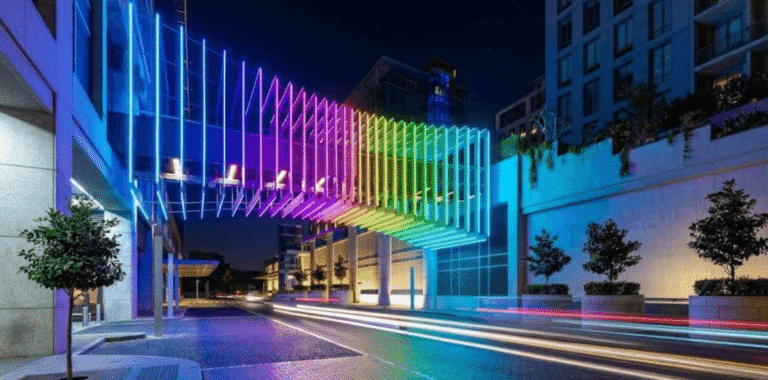
Lighting plays an important role in commercial, architectural, and decorative environments. From retail stores and office buildings to public spaces and residential projects, LED technology has transformed how lighting systems are designed and implemented. Modern LED lighting components offer improved efficiency, longer operating life, and greater flexibility, making them suitable for a wide range of applications.
As lighting requirements continue to evolve, project planners increasingly focus on selecting reliable components that deliver consistent performance. Whether the goal is enhancing architectural features, illuminating signage, or creating decorative effects, the quality of the lighting system often depends on the components used.
Why LED Lighting Has Become the Preferred Choice
LED technology has gained widespread adoption because it consumes less energy while providing high brightness levels. Compared with traditional lighting solutions, LEDs generate less heat and require less maintenance over time.
Another advantage is flexibility. LED lighting products are available in different configurations, colors, brightness levels, and waterproof ratings. This allows designers and installers to select products that match the specific requirements of each project.
For example, 5050 LED strips are commonly used in cove lighting, architectural lighting for canopies and corridors, signage backlighting, home decoration projects, and event displays. With options such as IP65 and IP68 waterproof ratings, these products can support both indoor and outdoor installations.
What to Look for in High Quality LED Lighting Components
Choosing suitable lighting components requires attention to several important factors. Brightness consistency is essential, particularly in commercial environments where uneven lighting can affect the overall appearance of a space.
Heat management is another consideration. Proper thermal performance can help extend the lifespan of LED products and maintain stable output levels. Material quality, circuit design, and manufacturing processes all contribute to long term reliability.
Many lighting professionals also evaluate product specifications such as viewing angle, color rendering, power consumption, and waterproof protection. These factors help determine whether a product can perform effectively under specific environmental conditions.
Choosing Reliable manufacturers of LED strip for Different Applications
The growing demand for LED lighting has increased the importance of selecting dependable manufacturers of LED strip for commercial and architectural projects. Consistent manufacturing standards help ensure stable brightness, accurate color output, and dependable operation across large installations.
LED strips are used in a variety of environments, including hotels, shopping centers, offices, exhibition halls, and residential properties. Modern products are available in different LED configurations, including 3528, 2835, 3014, and 5050 series options. Each type offers unique characteristics that suit different lighting requirements.
One example is the free cutting 12V and 24V COB LED strip, which helps resolve installation limitations in projects requiring customized lengths. Compared with traditional SMD strips, COB technology provides more uniform illumination without visible light spots, creating a cleaner visual appearance. The smooth lighting effect can be particularly beneficial for architectural and decorative applications.
Shenzhen Dekingled Co., Ltd., established in 2014, manufactures a wide range of LED lighting products and provides technical support, cost effective solutions, fast delivery, and quality focused production processes. The company operates from SanMing Industrial Park in Shenzhen, China.
How LED Modules Support Precision Lighting
LED modules serve an important role in applications where focused and consistent illumination is required. They are frequently used in channel letters, illuminated signage, light boxes, display systems, and architectural lighting projects.
Because modules can be arranged in specific layouts, they allow designers to create lighting systems that match precise project requirements. This flexibility makes them suitable for advertising displays, retail environments, and custom lighting installations.
Many modern LED modules are designed to deliver reliable brightness while maintaining low power consumption. Waterproof versions are also available for outdoor applications where environmental protection is essential.
Factors That Matter When Selecting an LED Module manufacturer
When evaluating an LED Module manufacturer, several factors should be considered beyond product specifications alone. Production consistency, testing procedures, quality control systems, and technical expertise all contribute to the overall reliability of the finished product.
Manufacturers that perform routine testing and maintain clear production standards can help reduce variations between batches. This becomes especially important for large commercial projects where lighting uniformity is required throughout the installation.
In addition, access to technical support can assist installers and project managers when selecting products for specific applications. Reliable manufacturing practices often result in fewer maintenance issues and improved long term performance.
LED modules are commonly used for signboards, decorative outlines, light boxes, building illumination, shopping centers, entertainment venues, and indoor accent lighting. Their adaptability makes them a valuable component in both functional and decorative lighting systems.
See also: The Thymosin Beta-4 Shakeout: Here’s How They Almost Got You
The Importance of Quality Control in LED Manufacturing
Quality control remains one of the most important aspects of LED production. Testing procedures help verify product performance, durability, and safety before products reach end users.
Many LED products undergo repeated switching tests, waterproof verification, electrical performance evaluations, and environmental testing. These procedures help ensure that products can operate under demanding conditions while maintaining stable performance.
Attention to manufacturing quality can also contribute to longer service life. Some LED systems are designed to operate for tens of thousands of hours while maintaining consistent illumination levels.
Future Trends in LED Lighting Technology
The LED industry continues to advance through improvements in efficiency, customization, and smart lighting integration. Demand for flexible lighting solutions is encouraging manufacturers to develop products that support easier installation and greater design freedom.
Waterproof technology, high density LED arrangements, and advanced COB designs are expected to remain important areas of development. Products with enhanced durability and improved light uniformity are becoming increasingly relevant across commercial and architectural projects.
As lighting requirements become more specialized, selecting suitable components will remain a key factor in achieving reliable and visually effective installations. Understanding the strengths of LED strips, LED modules, and related technologies can help ensure successful project outcomes across a wide range of applications.